
 By Ravi Singh
The Indian auto sector, after facing headwinds for what feels like an eternity, is showing signs of a pulse. But it’s not a uniform revival across the board. Some segments are sprinting ahead, while others are still catching their breath. What’s fueling this? And more importantly, is it sustainable? Let’s dive in, not just into the headlines, but into the very nuts and bolts of this recovery.
The “Why” Behind the Uneven Growth
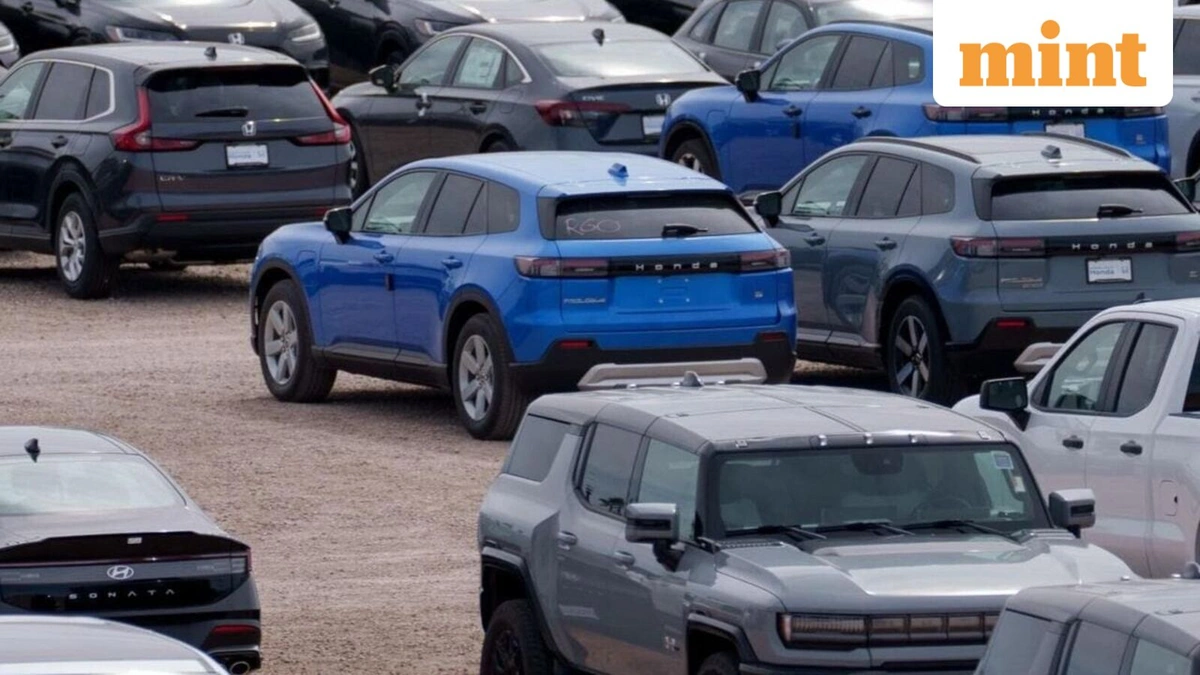
Here’s the thing: When analysts talk about an “uneven recovery,” it’s easy to nod along without really understanding what it means. It’s not just that some car models are selling better than others. It’s a reflection of deeper economic currents at play. The demand for personal vehicles, especially at the higher end, has seen robust growth . Why? Pent-up demand from the pandemic era. People are still wary of public transport and want the safety and convenience of their own car. Plus, for those who weren’t financially impacted too heavily, there’s been a surge in discretionary spending. The luxury car market, for example, is booming.
But, but, but… the two-wheeler segment, the backbone of Indian commuting, hasn’t seen the same kind of resurgence. And that tells a story about the financial pressures still faced by a large segment of the population. Rising fuel prices, inflation, and the increasing cost of ownership (thanks to stricter emission norms and pricier insurance) are all weighing on the average consumer. The entry-level car segment is also feeling the pinch. This divide – the affluent buying bigger and better, while the masses struggle with basic mobility – is what makes this recovery so uneven. It’s a K-shaped recovery, if you will.
This is where government policy interventions come into play. The recent policy boosts aren’t just random acts of kindness; they’re strategic attempts to grease the wheels of the entire sector, from the high-end SUVs to the humble scooters. To boost demand for automobile, government has planned to reduce GST rates.
Policy Levers | More Than Just Tax Breaks
So, what are these policy boosts everyone’s talking about? It’s not just about slashing taxes, although that’s certainly part of the equation. The government is also pushing for infrastructure development (better roads mean more driving), incentivizing local manufacturing (to lower costs), and promoting electric vehicles (EVs) through subsidies and tax breaks. The Production Linked Incentive (PLI) scheme, for example, is a big deal. It’s designed to encourage companies to manufacture auto components in India, reducing our reliance on imports and creating jobs. It’s a long game, but it could be a game-changer.
What fascinates me is how these policies are designed to address specific pain points. The push for EVs, for instance, isn’t just about being environmentally friendly (although that’s important, obviously). It’s also about reducing our dependence on imported oil and insulating consumers from volatile fuel prices. Think about it – the upfront cost of an EV might be higher, but the running costs are significantly lower. And that makes a big difference for budget-conscious buyers.
Let me rephrase that for clarity: the policy boosts are designed to attack the problem from multiple angles – demand creation, cost reduction, and technological advancement. It’s a multi-pronged approach, and that’s why analysts are cautiously optimistic about a 2-3 year demand recovery.
The EV Revolution | A Spark or a Slow Burn?
Speaking of EVs, let’s be honest, they’re the elephant in the room. The hype is undeniable, but the reality on the ground is still…evolving. While EV sales are growing at an impressive clip, they still represent a tiny fraction of the overall market. The biggest hurdle? Infrastructure. Or rather, the lack thereof. Range anxiety is a real thing, especially for people who live outside major metropolitan areas. And charging stations are still few and far between. Government is planning to set up more charging stations in rural areas. But, the future is electric.
Another factor to keep in mind is the cost of batteries. They account for a significant chunk of the overall EV price. And the raw materials needed to make those batteries (lithium, cobalt, nickel) are often sourced from politically unstable regions. That’s why the government is also pushing for battery localization – encouraging companies to set up battery manufacturing plants in India. It’s all interconnected.
I initially thought this was straightforward, but then I realized that the EV story is far more complex than just “electric cars are good, petrol cars are bad.” It’s about creating an entire ecosystem – from raw material sourcing to manufacturing to charging infrastructure to consumer adoption. And that takes time, investment, and a whole lot of coordination.
Navigating the Uneven Road Ahead
So, how do we navigate this uneven road ahead? What are the key things to watch out for? For one, keep an eye on interest rates. They have a huge impact on auto sales, especially for big-ticket purchases like cars. If interest rates rise too high, it could dampen demand. Also, monitor global supply chains. The semiconductor shortage, which crippled the auto industry for the past couple of years, is easing. But new disruptions could always emerge.
Another crucial factor is consumer sentiment. Are people feeling confident about the economy? Are they willing to spend money on discretionary items? Government spending has boosted the industry to great extent. If consumer confidence dips, auto sales will likely follow suit. And finally, keep a close watch on government policy. Any changes to tax rates, subsidies, or regulations could have a significant impact on the sector.
The future of the auto industry depends on multiple factors. To overcome financial hurdles, here is an informative article from bikesupdates .
The Analyst’s Take | Cautious Optimism
Here’s my take, as your friendly neighborhood analyst: the auto sector is definitely on the mend, but it’s not out of the woods yet. The policy boosts are a positive sign, but they’re not a magic bullet. The uneven growth is a reflection of deeper economic inequalities, and it’s going to take more than just government intervention to address that. What fascinates me is how the auto sector is evolving from a purely manufacturing industry to a technology-driven one. Electric vehicles, autonomous driving, connected car technologies – these are all changing the game. And India has the potential to be a major player in this new era, if we play our cards right.
The policy boosts are designed to tackle this head-on, incentivizing local manufacturing and promoting technological innovation. But the real key to success lies in creating a level playing field, where everyone has access to affordable and sustainable transportation. That’s the challenge, and that’s what will determine the long-term health of the Indian auto sector.
FAQ
Will the auto sector recover completely?
Analysts predict a 2-3 year demand recovery, but uneven growth may persist across different vehicle segments.
What government policies are driving the recovery?
The government is working towards infrastructure development , incentivizing local manufacturing and promoting electric vehicles (EVs) through subsidies and tax breaks.
Are electric vehicles the future of the Indian auto sector?
EV sales are growing, but infrastructure challenges (charging stations) and battery costs remain hurdles.
How can consumers benefit from these policy changes?
Consumers may see lower vehicle costs due to local manufacturing incentives and reduced fuel expenses with EVs.